(3 min read)
Wall sawing uses a track-mounted system for straight, precise cuts, it’s the go-to for structural openings where finish matters. Hand sawing is for tight access and awkward spots where a track won’t fit. For the cleanest result, wall sawing wins on accuracy. In many jobs, we use both. The right call depends on the site, and that’s what we assess before anything starts.
In This Article
- What wall sawing is and how we use it
- What hand sawing is and when we use it
- Which gives a cleaner finish
- How we decide which method to use
- What affects the final finish
- Where our team works
- Why people call our team
This is a question that comes up regularly on site. When called out for concrete cutting across the Sunshine Coast, one of the first decisions our team makes is whether the job needs wall sawing or hand sawing. Both methods have their place, but the finish you get depends entirely on choosing the right one for the conditions at hand.
Structural openings, renovations, tight access cuts, and everything in between, this is the work our team is doing every week. So when it comes to what gives the cleaner finish, that answer comes from what we actually see on real job sites, not guesswork.
If you are planning a cut and want it done properly, we can handle it.
What Wall Sawing Is And How We Use It
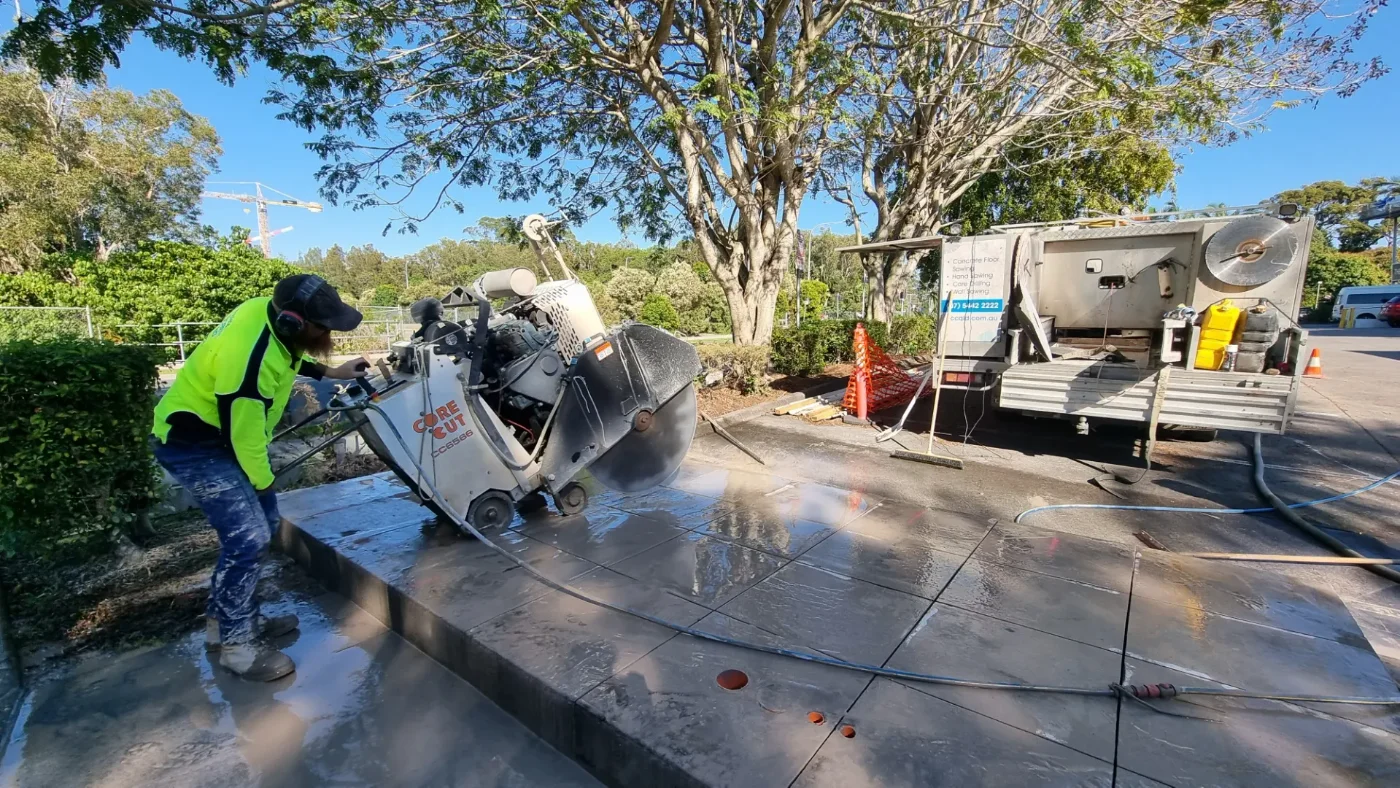
Hand sawing is what comes out when access is tight, or the job does not suit a fixed track system. A handheld diamond saw gives the flexibility to work in confined or awkward spaces where a track simply cannot go.
It is used regularly across the Sunshine Coast for smaller cut-outs, adjustments, service penetrations, and situations where moving quickly in a restricted area is required. It is practical, adaptable, and on many sites, it is the only tool for the task. The finish does rely more on operator control, so results can vary depending on conditions and available working room.
Which Gives A Cleaner Finish
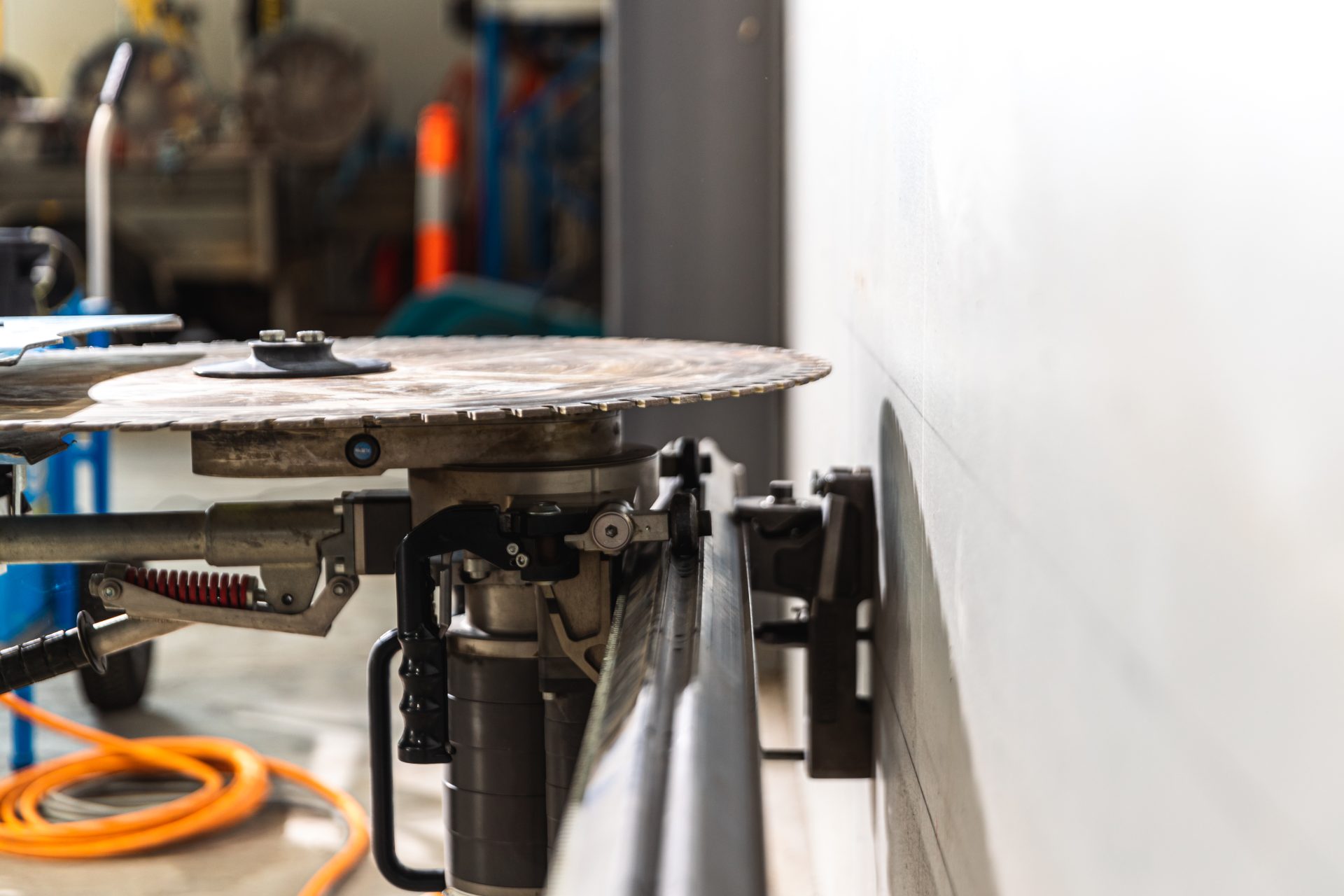
For a clean, straight, architectural finish, wall sawing is generally the stronger option. With the blade running on a fixed track through the entire cut, the edges come out accurate, openings line up properly, and there is far less need for patching afterwards.
Hand sawing can still produce a quality result when used correctly, but it is more dependent on access and manual control. For structural openings where finish matters, wall sawing is usually what our team recommends. If a track can be set up, that is the direction we go.
How Do We Decide Which Method To Use
Arriving on site, the first step is always assessment. We look at the structure, the access conditions, and what the next stage of work needs to look like before a blade goes anywhere near the concrete.
Straight structural openings or cuts that need to align with frames and finishes point towards wall sawing. Tight access or smaller adjustments generally call for hand sawing. On many jobs, both methods are used together: wall sawing for the main cut and hand sawing to finish off sections or reach areas the track cannot access. That combination keeps the job progressing without compromising the result.
What Affects The Final Finish
The difference between a rough cut and a clean finish usually comes down to setup and control. Measurements are checked before anything starts. The right blade is selected for the material. The setup is stabilised to prevent movement during the cut. Dust and slurry are managed to keep the site workable.
When those things are done properly, wall sawing in particular delivers a very clean result. When they are rushed or the setup is wrong, uneven edges and extra remediation work follow. The approach stays simple: set it up right, cut it clean, move on.
Where Our Team Works
The Sunshine Coast, Gympie, Moreton Bay, Caboolture, Morayfield, and northern Brisbane suburbs are all covered on a weekly basis. Residential renovations, commercial fit-outs, and civil projects all come through regularly. Builders call for structural openings, plumbers and electricians call for service penetrations, and homeowners call when renovation accuracy matters.
Every job is different, but the process is always the same. Get in, assess it properly, and use the method that best suits the job’s actual needs.
Why Do People Call Our Team
Clients call because they want it done properly without guesswork. Doing this work week in, week out means our team understands what it takes to achieve a clean finish that aligns with the rest of the build.
There is no overcomplicating it. Show up, set up correctly, cut cleanly, and leave the site ready for the next trade. When wall sawing is the right call, we know it. When hand sawing suits the job better, we switch. The gear and the experience to handle both are there every time.
Final Thoughts
The cleaner finish in the wall sawing vs hand sawing debate usually comes down to control. Wall sawing delivers the most accurate and consistent results for structural openings. Hand sawing provides the flexibility needed when access is tight or conditions are restricted. Most of the time, the best outcome comes from knowing when to use each method and how to combine them effectively on site.
Need concrete cutting on the Sunshine Coast or surrounding areas? Our team is ready to take a look, give straight advice, and get the job done properly.